Plastic 2 Green
Next-Gen Energy Storage Materials from Plastic Waste
Plastic 2 Green’s proprietary plasma platform converts mixed waste plastic into enriched graphene and low-carbon ammonia, delivering next-generation energy materials and helping divert plastic from conventional waste streams.
The converging opportunity
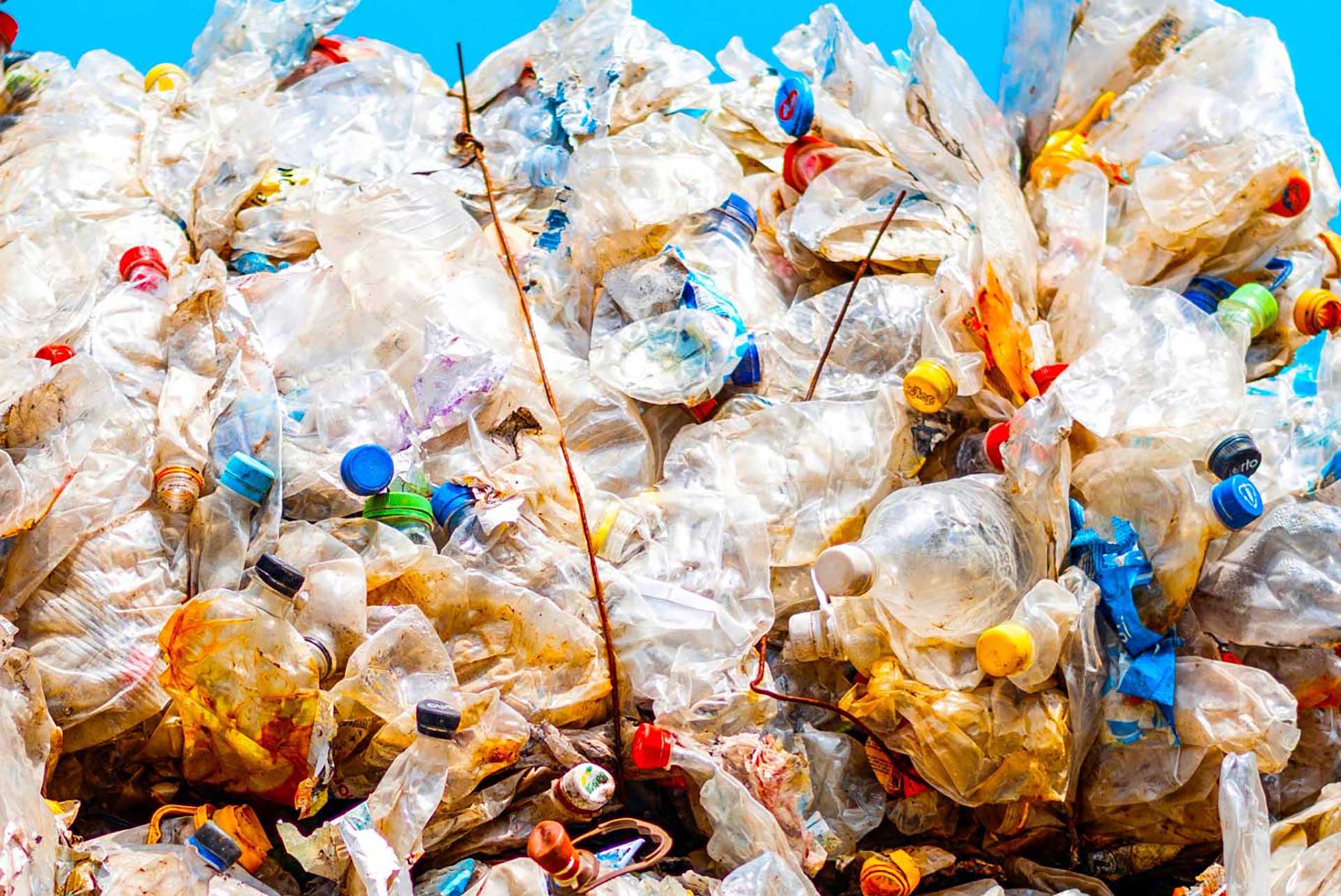
Plastic production and waste continue to rise through the 2020s — global plastics use is on a sustained growth trajectory through 2030 and into the mid-2030s under business-as-usual conditions, driven primarily by packaging, consumer goods, and limited systemic change in materials use.1
Plastic waste volumes are expected to continue increasing through 2030, with OECD analysis indicating that, without additional intervention, waste generation will remain on a steep upward path throughout the next decade.2
Electrification and AI-driven data-center expansion are accelerating demand for next-generation energy systems — EV battery demand is projected to grow ~4.5× by 2030 and ~7× by 2035 (vs. 2023), while global data-center electricity consumption is projected to roughly double by 2030 in the IEA’s base-case scenario.3
Supply-chain localization policies are accelerating domestic production and sourcing of critical materials through the 2030s, reinforced by U.S. federal strategy and incentive frameworks tied to critical minerals, batteries, and clean-energy manufacturing.4

Supporting evidence

Recycling markets are growing
The global plastic recycling market is expanding in absolute economic terms, reflecting increased investment in recycling infrastructure, services, and technologies worldwide. Industry market studies project the global plastic recycling market to grow from approximately USD 28.3 billion in 2022 to ~USD 60.2 billion by 2031, representing sustained growth driven by regulatory pressure, corporate sustainability commitments, and demand for recycled materials.5
Additional market analyses forecast continued expansion through the early 2030s, with some estimates projecting the global plastic recycling market to exceed USD 70 billion by 2030.6
But recycling is not scaling with waste
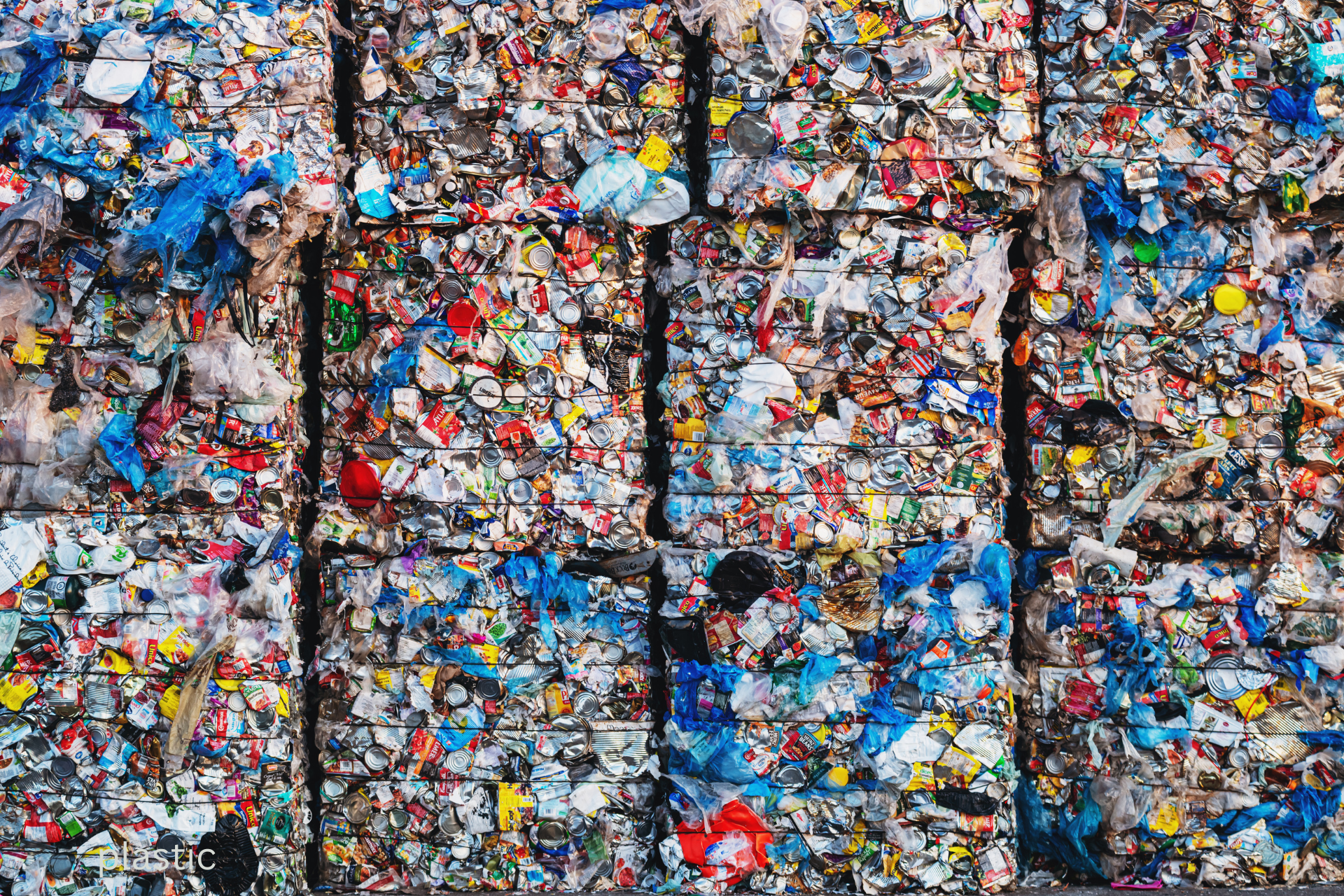
Despite market growth, global plastic recycling performance has not scaled in proportion to plastic production and waste generation. Comprehensive global assessments show that only ~9–9.5% of plastic waste is recycled worldwide, a figure that has remained largely stagnant through the 2020s.78
As total plastic production and waste volumes continue to rise through 2030, recycling systems remain constrained by contamination, material complexity, and economic limitations. As a result, recycling alone is insufficient to offset the scale of global plastic waste growth, reinforcing the need for complementary waste-to-value and advanced materials conversion pathways alongside recycling.
Plastic 2 Green sits at the intersection — transforming plastic waste into high-value energy materials.
What we produce

Enriched graphene
High-performance energy material enabling fast-charge, high-density, and non-flammable energy storage architectures.

Green ammonia
Low-carbon ammonia produced from waste plastic to reduce lifecycle emissions across fertilizer, industrial fuel, and energy transport.

Industrial carbon products
Carbon black and nanotubes for established commodity markets.
Why Plastic 2 Green
- Processes all plastic types (#1–#7, PVC, multilayer, textiles, foams)
- No sorting or washing required
- Handles contaminated feedstocks
- Zero-emission plasma conversion — verify with your emissions testing / LCA before publishing as an absolute claim
- Commercially proven industrial equipment
- Unique proprietary continuous-flow process (patent pending)
Commercial pathways
We pursue multiple paths to value: technology licensing, strategic transactions, and direct commercial execution — converting waste plastic into materials the energy and industrial markets already pay for.
Plastic 2 Green transforms plastic waste into enriched graphene, powering next-generation energy storage while closing the loop on plastic pollution.
References
- ScienceDirect (2024) — Global projections of plastic use, end-of-life fate (plastics use rising from 464 Mt (2020) to 884 Mt (2050) under BAU). sciencedirect.com
- OECD (2022) — Global plastic waste set to almost triple by 2060. oecd.org · PDF report
- IEA — EV battery demand (~4.5× by 2030, ~7× by 2035 vs. 2023, STEPS) and data-centre electricity (~double by 2030, base case). Global EV Outlook 2024 · Energy and AI
- U.S. DOE supply chain framing; IRS clean vehicle credits; Treasury guidance. DOE (PDF) · IRS · Treasury
- Plastic recycling market forecast — ~USD 28.3B (2022) to ~USD 60.2B by 2031. openpr.com
- Business Research Company — global plastic recycling market exceeding ~USD 71B by 2030. thebusinessresearchcompany.com
- UNEP — global plastic pollution / recycling system constraints (~9%). unep.org
- Phys.org (2025), summarizing peer-reviewed analysis — ~9.5% of plastics from recycled feedstocks (2022). phys.org