Transforming plastic waste into engineered enriched graphene for next-generation energy storage
Advanced energy storage materials enabled by the conversion of hard-to-recycle plastic waste.
What is enriched graphene
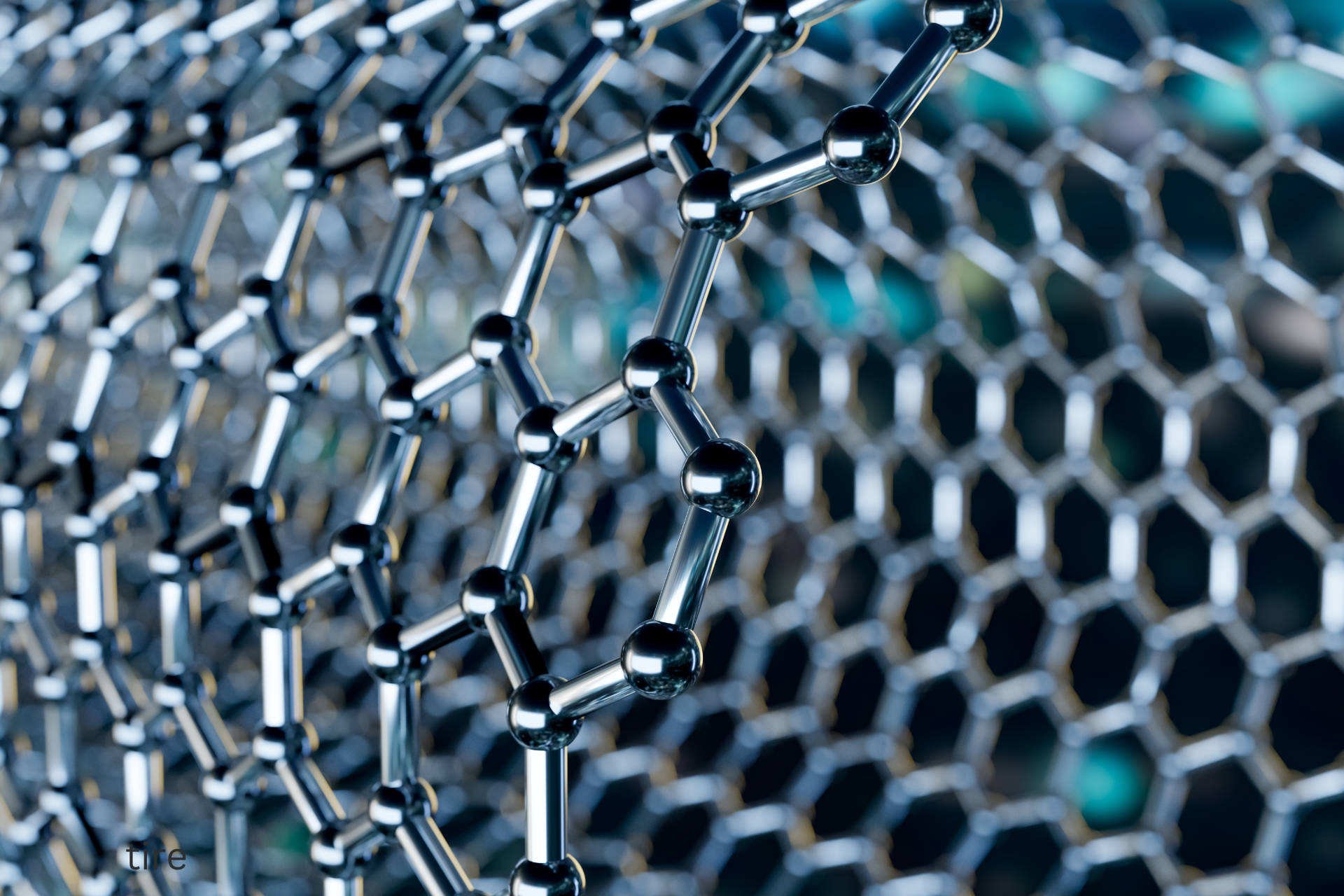
Enriched graphene embeds extra atoms into the carbon lattice, delivering:
- Higher electrical conductivity
- Greater charge density
- Improved thermal stability
- Longer battery cycle life
Applications
- Electric vehicle batteries
- Supercapacitors
- Grid-scale energy storage
- AI data centers
- Consumer electronics
- Defense and aerospace power systems
P2G advantage
- Engineered graphene derived from waste plastic feedstocks
- Reduces reliance on petroleum-based precursor supply chains
- Supports domestic production pathways for critical battery materials
- Converts low-cost waste feedstocks into high-value carbon materials
Current status
- Continuous graphene synthesis demonstrated under pilot conditions
- Early customer sampling and evaluation programs underway
- Pilot-scale production targeted for 2026
A scalable carbon-materials platform is intended to support future ammonia expansion.
References
- IEA Global EV Outlook (2024) — iea.org
- Fortune Business Insights — supercapacitors market outlook — fortunebusinessinsights.com
- Market Research Future — fast-charging EV battery market (2024) — marketresearchfuture.com